Legal Cannabis Farming & Stewardship
Conservation-first cannabis cultivation
As California's legal cannabis industry has matured, so has the opportunity to get cultivation right. Not just for compliance, but for the land and the communities that depend on it. Cannabis operations often sit in the same watersheds that support salmon habitat, municipal water supplies, and neighboring farms. How those operations manage water, soil, and waste matters.
With support from the Resources Legacy Fund and partners like Emerald Grown, RCDs across the state have worked directly with licensed cultivators to adopt practices that protect California's natural resources. Through on-farm technical assistance, community workshops, and practical stewardship tools, RCDs serve as nonregulatory advisors. They help producers navigate compliance while raising the bar for environmental stewardship.
This resource hub brings together the best available guides, tools, and best management practices developed by RCDs and their partner organizations. Whether you're a cultivator looking to improve your operation or a conservation professional supporting growers in your region, these resources are here to help.
Water Conservation
Water is the lifeblood of California agriculture, and cannabis cultivation is no exception. Farms in the state's cannabis-growing regions often draw from the same streams and aquifers that support salmon habitat, municipal water supplies, and neighboring communities. Thoughtful water management is both a regulatory requirement and a core expression of stewardship. RCDs have developed practical resources that cover the full water cycle, from rainwater capture and greywater reuse to sediment control and irrigation efficiency.

"When producers choose to implement water conservation practices, they are choosing to not just sustain agriculture, but also to protect wildlife, support habitats, and recharge aquifers that serve millions."
Darron Gaus, NCAT Sustainable Agriculture SpecialistCannabis Watershed BMP Guide ENES
The first peer-reviewed watershed protection guide for cannabis growers produced by a public agency in California. Developed by the Mendocino County RCD with funding from the State Water Resources Control Board. Covers water use and capture, erosion control, soil health, fertilizer and pest management, and a self-assessment checklist.
Download at MCRCD.org ↗Harvesting & reuse
Monitoring & erosion control
Groundwork: A Handbook for Small-Scale Erosion Control in Coastal California
Published in partnership with Marin RCD, this guide helps landowners identify erosion problems and determine what they can repair themselves versus when to hire a professional. A practical, field-ready resource for any cultivator dealing with hillslope erosion, road drainage, or stream bank instability.
Download the guide (PDF) ↗Insect & Wildlife Habitat
California's farms are embedded in one of the world's most biodiverse regions. Legal cannabis operations can either fragment or support that biodiversity depending on how they're managed. Hedgerows, pollinator plantings, raptor perches, and nest boxes are low-cost, high-impact investments that benefit the farm while giving something back to the landscape.
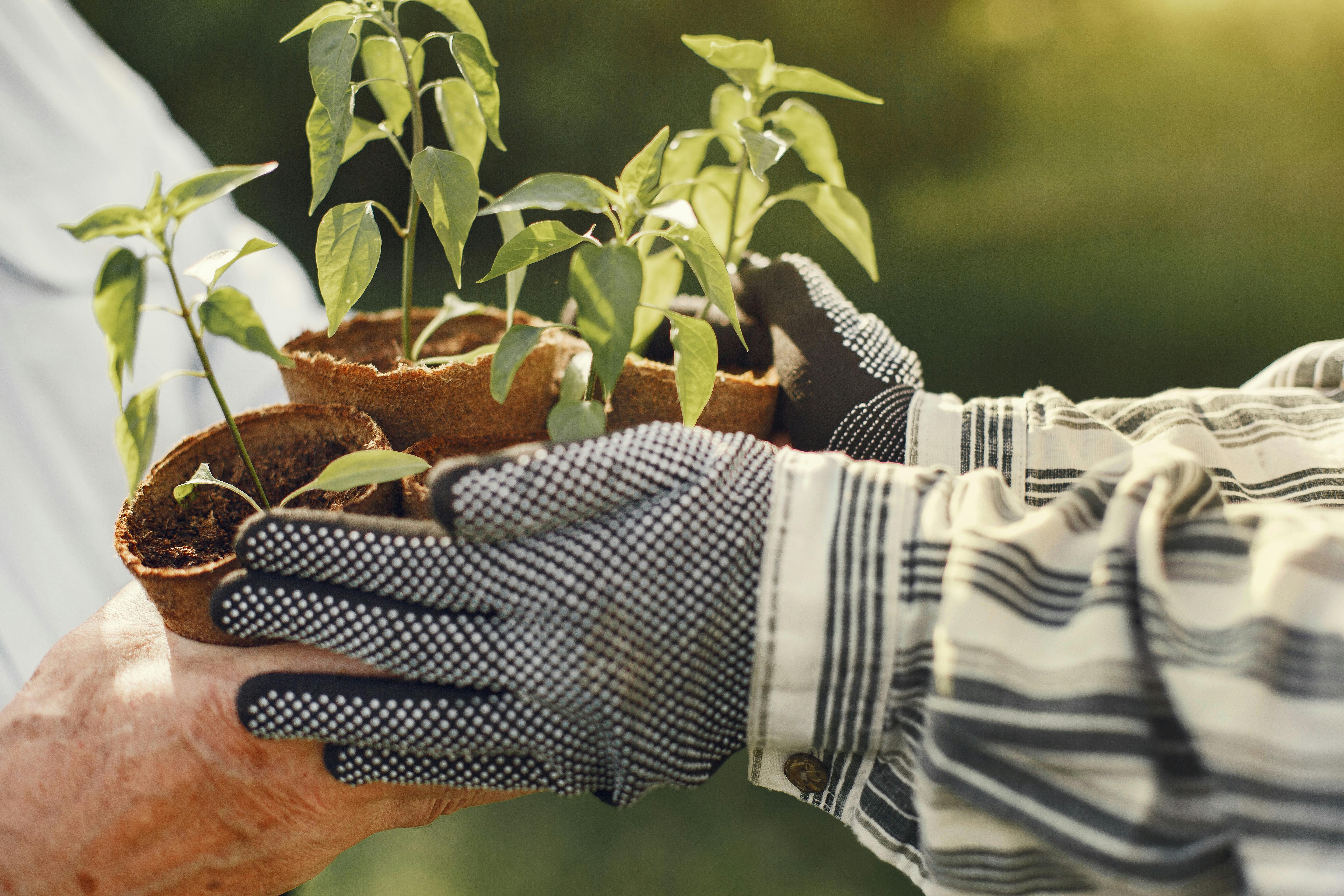
Hedgerow planting.

Community Planting Day.
"There are many ways to support 'the little things that run the world'."
Xerces SocietyFarm habitat structures
Pollinators
Oak woodlands & forest health
Soil & Plant Health
Healthy soil is the foundation of a resilient farm. Practices that build soil organic matter, minimize compaction, and reduce reliance on synthetic inputs improve yields while sequestering carbon and filtering water. For cannabis cultivators operating near sensitive natural areas, choosing the right inputs matters for both plant performance and regulatory compliance.


Soil Biology at Work
Integrated pest management
Organic inputs & materials databases
Waste Management
On-farm waste, from plant material to processing byproducts, represents both a disposal challenge and a soil-building opportunity. Composting and biochar production keep organic matter on the farm, build soil carbon, and reduce reliance on external inputs, closing the loop on the cultivation cycle.
Social Equity & Labor Management
A resilient operation takes care of its people as well as its land. For cannabis cultivators navigating California's evolving regulatory landscape, understanding employer responsibilities, from workplace safety to labor law, is essential for operating legally, ethically, and sustainably.